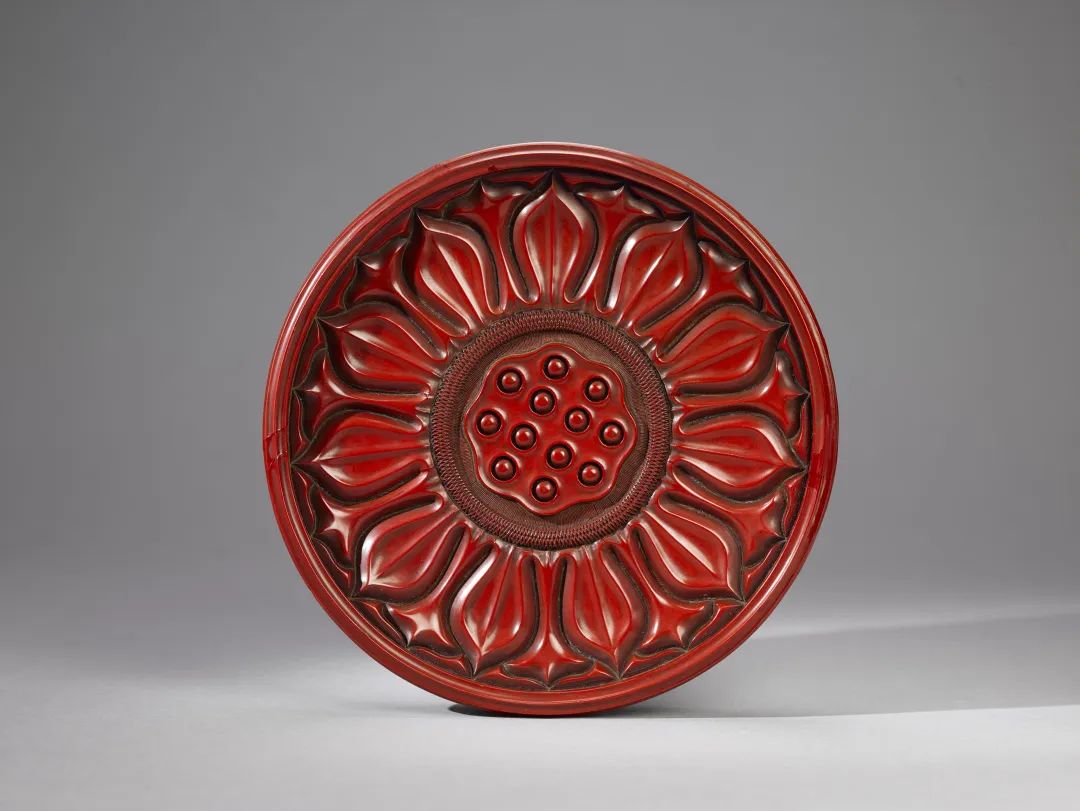
Chinese Lacquer Art
Introduction
Chinese lacquer art is a profound representation of China's rich cultural heritage. Originating in ancient times, this art form has undergone significant transformations while maintaining its esteemed status as a symbol of durability and intricate craftsmanship. Historically, lacquer art was intertwined with the daily lives of Chinese people, often reflecting the cultural and social dynamics of various eras.
Historical Context
The history of Chinese using lacquer in daily life dates back to some 7,000 years ago in the Neolithic period. During the Shang Dynasty (c. 16th century-11th century BC), Chinese people developed highly sophisticated lacquer art. The art form gained prominence for its advanced technology compared to other regions at the time. The lacquerware of the Han Dynasty (206 BC-AD 220) reached its peak of prosperity. The discovery of lacquerware relics in the Mawangdui tombs of the Han Dynasty in Changsha highlighted the sophisticated level of craft achieved over centuries. These relics, which included pieces from Chengdu, showcased the exquisite artistry and advanced techniques of ancient Chinese craftsmen.
Techniques and Processes
Creating lacquerware is a painstaking process that involves more than 100 individual steps. The primary material used is the sap of the lacquer tree, which is applied in multiple layers to create a hard, protective coating. This process requires immense skill and precision, as the lacquer must be applied smoothly and evenly. The traditional colors used in Chinese lacquer art, particularly black and red, hold cultural significance and are achieved through the addition of natural pigments.
Cultural Significance
Lacquer art is not only a craft but also a representation of Chinese cultural and aesthetic values. It is deeply intertwined with the spiritual and philosophical beliefs of the Chinese people, symbolizing endurance, resilience and beauty. Lacquered objects, such as furniture, screens and decorative items, were historically used by the elite and the royal court, reflecting their status and taste.
Modern Developments
In contemporary times, Chinese lacquer art has experienced a revival, becoming part of the "China-chic" trend that captivates young people both domestically and internationally. Designers and artists like Qiao Shiguang have been instrumental in modernizing and popularizing lacquer art. Qiao, known as the father of lacquer painting, has integrated traditional techniques with modern artistic expressions, thereby breathing new life into this ancient craft.
Challenges and Preservation
Despite its historical significance, lacquer art faces challenges in the modern era, such as declining usage and the impact of industrialization. Efforts to preserve and promote the craft are ongoing, with figures like Song Xiping in Chengdu striving to maintain the traditional skills and pass them on to future generations. Song's work, characterized by intricate floral and cloud patterns, underscores the importance of preserving this intangible cultural heritage.








